That has a) nothing to do with the topic at hand (improving recycling rates) anr b) isn't even effective. A deposit isn't a tax. You need to give the consumer money for actually bringing the product to a recycling spot, so a tax doesn't help. Psychological it's a better motivator if that money was originally paid by the consumer as in you're losing money you paid, if you don't bring it back, and it's also much easier to implement.
If you want to tax non-replaceable batteries that will just be factored into the price and the thing is that easily replaceable batteries are in conflict with other design goals consumers are willing to pay for (like water proofness).
I understand the frustration with non-replaceable batteries creating some kind of planned obsolescence, but there is no easy solution without sacrificing other things.
Have you ever hired a car before? You pay for the time you have the car, and you also pay a certain amount as a "deposit". This is money that the rental place keeps, and when you bring the car back undamaged they give you the deposit back. If you damage the car, you don't get your deposit back.
This is the same idea.
Buy a device with a battery, pay some small amount as a deposit, get your deposit back when you bring it back for recycling.
So when I go buy a device, I pay some extra amount, enforced by the state. I can then get that back (a deposit, or dare I say, refund), when I return the battery.
I'm not saying I don't like the idea, but this is a tax with a different name. And we haven't even gotten to how someone pays for the infrastructure for all this battery cleanup.
I have to say, it seems ridiculous that we're at the point where people are dying in Europe this week from a heatwave exacerbated by climate change, and we're not even implementing basic measures like this yet.
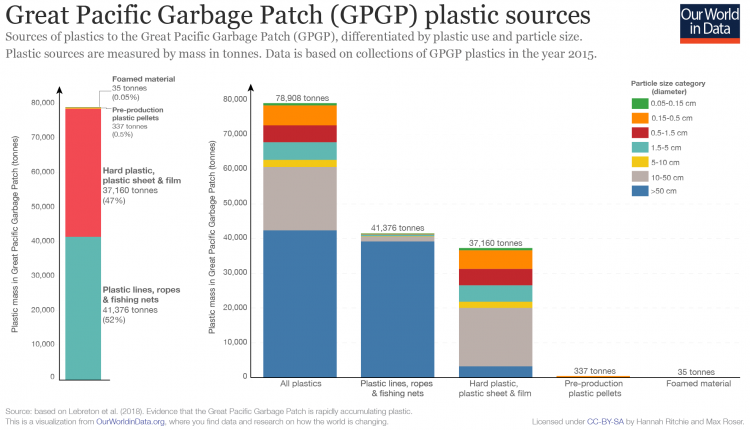
How much contribution does "electronics with non-replaceable batteries" add to climate change? 10%? 1%? 0.1%? Bringing this up when talking about climate change is like bringing up plastic straws bans in first world countries when talking about microplastic pollution (ie. ignoring the fact that half of microplastics in the ocean comes from fishing gear).
You’ve got to start somewhere though. And anywhere is marginally better than nowhere. As opposed to throwing your arms up in the air saying “it’s pointless we should be doing something else instead so let’s do nothing at all”. That’s exactly what the industry is aiming for, learned helplessness.
Nope, this is completely wrong. People want to help but they have limited bandwidth. When you give them someway they can feel like they are helping without meaningfully doing anything, you’ve reduced their attention/effort that will go into real solutions.
Doing minuscule shit is absolutely harmful to the cause. This is one of those areas where a compromise is as bad as doing nothing with the additional downside of patting yourself on the back thinking you made progress.
I know a woman who regularly drives almost an hour round trip to the recycling center for plastics, as our village does not have plastic recycling bins. She's certain that she is doing her part, and absolutely does not want to hear that recycling plastic emits more CO2 than creating new plastic, nevermind the fuel she's burned.
Though driving an hour to recycle a few plastic bottles is obviously bonkers, I do want to point out that there are more reasons to recycle than just reducing CO2.
This isn't (just) about landfill space or resource availability.
It's a shame that a couple of generations have been led to believe that the only real environmental disaster is climate change. It's certainly a big and pressing one, but it's like we've all but forgotten the many other issues that our lifestyle of ready massive consumption has caused.
Some examples of other environmental impacts that 'reduce, reuse and recycle' helps with: the impact of mining and oilfield operations on the natural environment; heavy metals and other toxins in waterways from mining and badly managed landfills; microplastics in the ocean; acid rain from Nox/Sox emissions; many other forms of air pollution from the mining industry.
Technically it's more generally atmospheric 'green-house gases', of which CO2 is the one we produce massive amounts of.
Methane and Nitrous Oxide also play a massive role. We produce less of those mostly through gas leaks and shipping/diesel fuel but they are a lot worse than CO2 if we think of it in terms of per kilo impact.
My argument against minimally effective action is that it can make people feel like they did something significant, and therefore discourage further change. Those plastic straws effective function in our society isn't that it removes plastic waste, it just absolves us of responsibility by letting us say we tried
Okay, but what makes you think that interventions like "forcing manufacturers to make electronics have replaceable batteries" are easier to implement than other interventions like "invest in renewable energy projects"? Taking the approach of jumping at every possible intervention that is vaguely relevant (eg. today it's batteries in electronics because of this thread, tomorrow it's banning single use plastics because of some thread about recycling being a lie) seems worse because there won't ever be enough political will/support to get any single project implemented.
> That’s exactly what the industry is aiming for, learned helplessness.
I am wholely in agreement with you but there are some pretty big percentage wise holes that we need to plug.
Namely:
1. Getting ride of coal and Natural Gas power generation (which means replacing with renewables +storage, or fission, none of which are easily deployable)
2. Stopping methane leaks in Oil&Gas pipelines and active/decomissioned wells.
No, "starting small" and other consumer side activism are tools actively pushed by oil companies in order to make you believe you are making a difference; so that we don't pursue actual hard hitting legislation that regulate the oil industry.
Carnival Cruise's line of ships (which contain about 50 ships) contribute the same amount of emissions as all the cars in Europe. We could make the hard descision to regulate cruise ships away or maybe everyone in Europe could stop driving altogther
Except that software is usually few devs, lots of users. Here we are all contributors to the climate. So even if we all pick something different from our neighbor, changes can be made. Typical broken reasoning arising from comparing the way world works to software development.
I wonder how much CO2 impact the CI revolution in open source really has. While I see how this is convenient, I sometimes wonder if we really need to spin up a 30min build for every PR/commit. I have never heard the community reflect on the impact it has with all the convenient cloud computing. Just spin up a ton of hosts to do your thing, yes? If you can pay for it, its OK? I guess owners of fossil-fuel consuming vehicles think the same. So, where are the environmental activists in the open source area pointing fingers at CI usage?
I have seen wildly different estimates for the origins of micro plastics from different studies.
The obvious issues are plastics breakdown at wildly different rates so the ratios of plastic pollution doesn’t match the ratios seen in the ocean. There are significant differences in where each type of plastic enters the ocean and where it ends up so sampling different parts of the ocean results in different observations. Finally sizes vary widely so measuring by volume, piece, or weight gives different results.
On top of this it’s not always easy to say the actual origin of a given piece was.
As the aphorism goes "a journey of a thousand miles begins with a single step".
Seems like you'll only do things that make a significant contribution. Yes, with drinking straws it was a symbolic action, and yes you risk people thinking "ok, done it". But the current alternative is no action at all. We need to start, take the first small steps before chastising ourselves for not having gone any miles yet.
Sorry, what else is being done about disposable electronics containing lithium cells? Could you recommend a news story (UK specific, preferably) with details of other projects in the context of the OP. Fwiw, I don't doubt that I'm not aware of every environmental project in this space. Thanks.
Then the first step is one of transit/bike paths, removing beef and milk from your diet, or improving your insulation to at least rsi 5. Repairability is a major issue, but a minor tweak like that is a finger in the dam. More effective would be mandating schematics and extending default warranties to include third party repair for 5 years or so.
Net zero means net zero. Batteries are going to be a huge part of our future and we need sustainable approaches to managing them right now and even more later.
Gerry McGovern's "World Wide Waste" (podcast, book and site) is a
great place to start learning about the real impact of our electronic
world on our environment.
This problem does not seem straightforward. Making have replaceable batteries and preserving their existing functionality (eg. thinness, water resistance) doesn't seem easy, nor does convincing the population to accept worse phones when most people are on a 2 year upgrade cycle.
If convincing people to not replace their phone every two years, or accept one that's a little thicker is too difficult, then I suspect we're in big trouble.
It's not really the cost, it's the cost/benefit ratio. I think most people would be on board with their sleek smartphones reverting to brickphones if it meant climate change was solved once and for all, but making the same sacrifice to reduce climate change by 0.1% would be a tough sell.
I'm in Ireland, they seem pretty popular here. Especially with those who are barely old enough to buy them.
Personally I'd be comfortable seeing them banned - for the same reason we banned the sale of individual cigarettes. Their only role in the market is to make addiction accessible at the lowest barrier to entry.


As in tax them at the time of purchase, on batteries that render a device unusable.